
Understanding Your Pain
The Heel Pain That Stops You in Your Tracks
If you've ever experienced a sharp, stabbing pain in your heel with every first step you take in the morning, chances are you're familiar with Plantar Fasciitis. This condition is a leading cause of foot pain, affecting millions and significantly impacting daily life. At PodiEase, we believe that understanding the root of your pain is the first step toward overcoming it. As a resource powered by podiatric expertise, we encourage you to take charge of your foot health.
Your Recovery Journey
A clear path from pain to full recovery with expert guidance every step of the way
Symptom Recognition
Sharp heel pain, especially in morning
Start Treatment
Orthotics, stretching, rest
Pain Reduction
Gradual improvement over weeks
Full Recovery
Return to normal activities
Most patients experience significant improvement within 6-12 weeks with consistent treatment
What Exactly is Plantar Fasciitis?
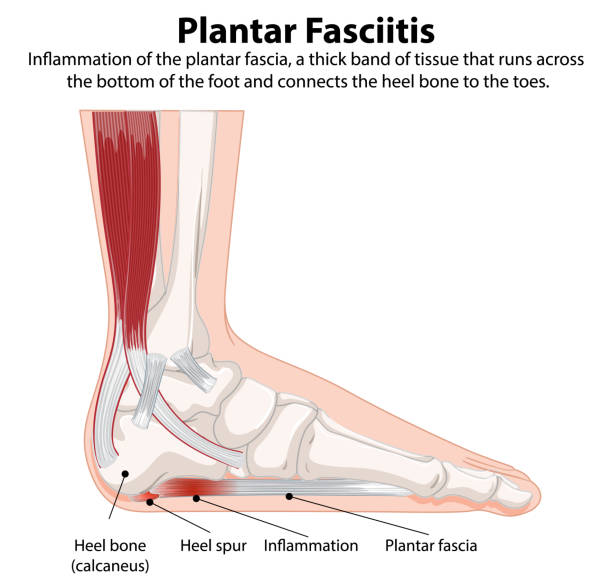
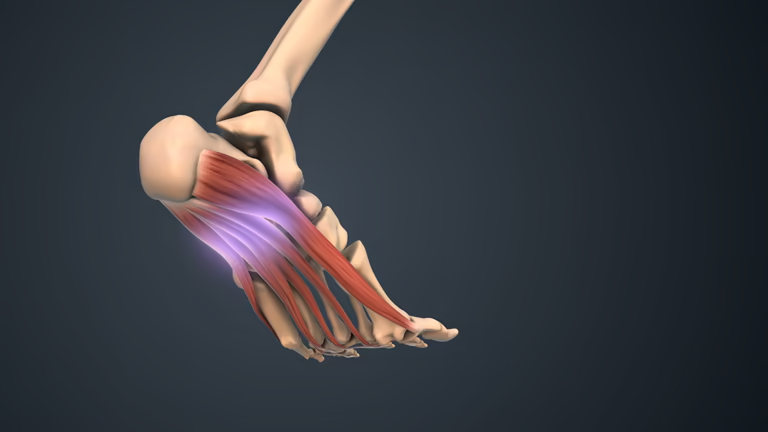
Despite its complex name, Plantar Fasciitis is quite straightforward. Your foot contains a thick band of tissue called the plantar fascia, which acts like a powerful, flat string connecting your heel bone to your toes and supporting the arch of your foot.
Plantar Fasciitis occurs when this band becomes inflamed, irritated, or develops tiny tears. This inflammation leads to the hallmark symptom: pain after periods of rest.
The Signature Symptoms:
Morning Pain
The most recognizable symptom. You may experience a stabbing pain when getting out of bed or standing up after sitting for a long time. While this pain may ease after a few minutes of walking, it often returns throughout the day.
Pain After Rest
When you rest, the fascia tightens. Upon putting weight back on your foot, the sudden stretch can trigger pain.
Pain After Activity
Pain following exercise is often more intense than during the activity itself, making recovery challenging.
Why Does This Happen to Me? The Root Causes
Plantar Fasciitis rarely arises from a single incident. Instead, it usually results from repeated stress and strain on the plantar fascia over time. Several factors contribute to this pressure:
Foot Shape & Mechanics
Flat Feet (Pronation):
When your arch collapses excessively, each step stretches the fascia.
High Arches (Supination):
A rigid, high arch can pull the fascia tight, increasing the risk of tearing.
Lifestyle & Activity
Occupations:
Jobs that require long hours of standing (such as nursing, teaching, or factory work) place constant pressure on your feet.
Weight:
Being overweight adds additional load to the plantar fascia, causing it to stretch and strain.
Running:
Sudden increases in running mileage or running on hard surfaces can impose excessive demands on your fascia.
Muscle Tightness
Tight Calves and Achilles Tendons:
Tight calf muscles can limit ankle flexibility. When your ankle struggles to flex, your knee compensates, adding significant stress to the plantar fascia.
PodiEase Philosophy: Expert Care for Every Step
Understanding the cause of your pain is essential, as it indicates that a one-size-fits-all solution will not suffice. As a dedicated podiatrist, I can assure you that effective treatment involves a combination of remedies, including a tailored foot mechanics program, proper calf conditioning, flexible ankle muscles, and comprehensive foot support. Your feet are the foundation of your body; when that foundation is compromised, it can affect everything from your knees to your back.
At PodiEase, we strive to provide solutions that are:
Clinically Sound
All our products are based on scientific evidence rather than fleeting trends.
Targeted
Our solutions address the specific biomechanical issues that contribute to your pain.
Supportive
We offer ongoing expert support to help your feet heal and prevent recurrence.
Your journey to pain-free movement starts here—let us help you take the first step.